Medical Disclaimer: This article is for informational purposes only and should not replace professional medical advice. Always consult your pediatrician for medical concerns regarding your child.
Purees and Smooth Foods
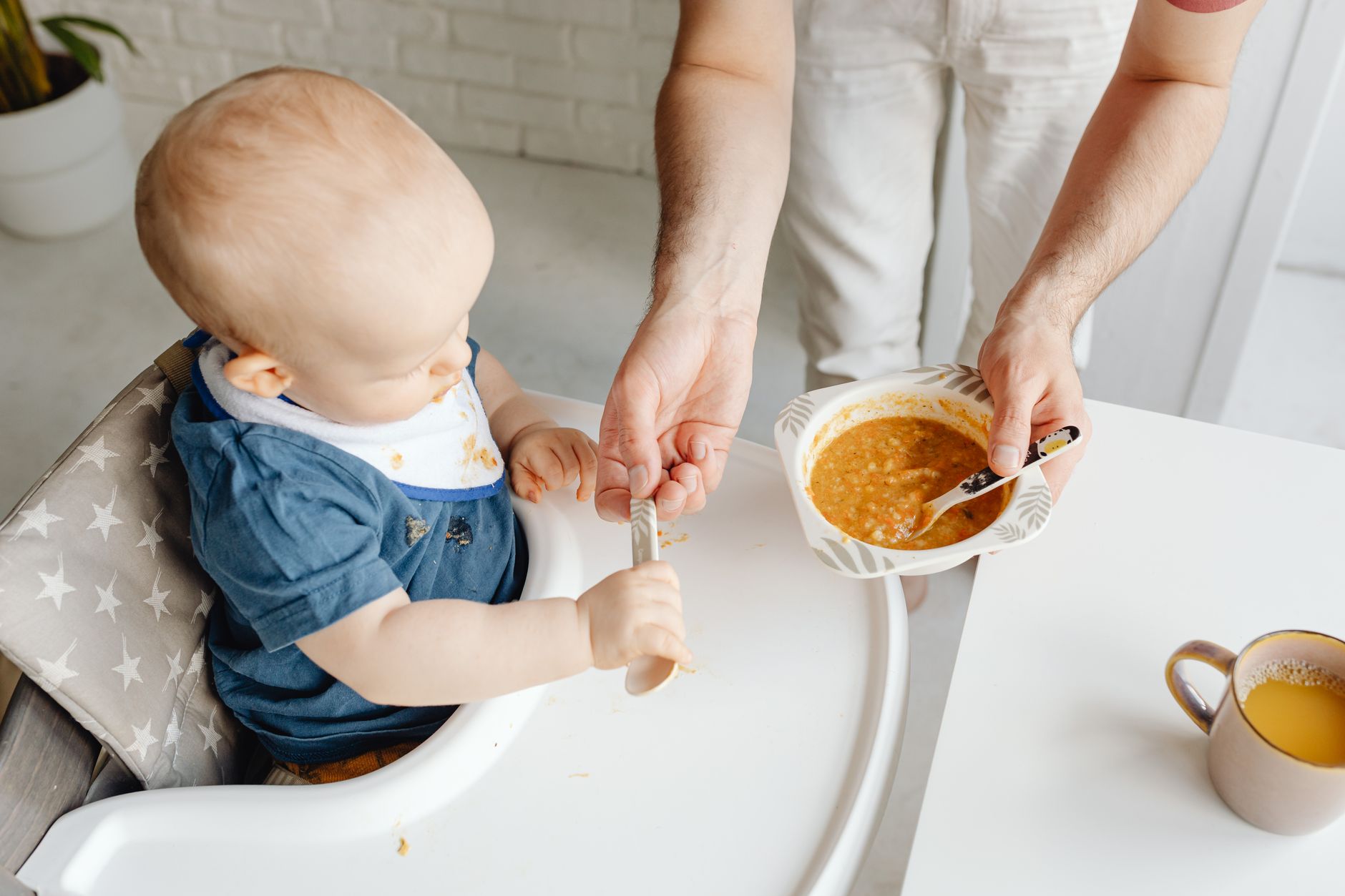
At exactly 6 months, a baby’s iron stores from birth are depleted, making iron-rich purees a critical addition to their diet.
What You Need to Know
- The World Health Organization recommends introducing solid foods at 6 months, with 2-3 feedings per day.
- Breast milk or formula should still be the primary source of nutrition until 12 months, with solids providing up to 50% of daily calories by 8 months.
- The Indian Academy of Pediatrics suggests introducing a single-ingredient puree for 3 days before introducing another food to monitor for allergies.
- Pureed foods should be at room temperature, around 25-30 degrees Celsius, to reduce the risk of burns.
- A baby typically doubles their birth weight by 6 months, making nutrient-dense foods crucial for growth.
- The American Academy of Pediatrics recommends introducing potential allergenic foods like peanuts and eggs by 12 months, with 1-2 teaspoons of peanut butter per day.

The Indian Context: What Research Actually Says
Making purees with locally available fruits and vegetables
Region: Southern India | Verdict: Recommended
Rich in vitamins and minerals
Adding ghee to purees for extra nutrition
Region: Northern India | Verdict: Recommended in moderation
Rich in fat-soluble vitamins
Making khichdi with moong dal and rice
Region: Eastern India | Verdict: Recommended
Easy to digest and rich in protein
Using coconut oil for cooking purees
Region: Western India | Verdict: Recommended in moderation
Rich in medium-chain triglycerides
Common Myths — Busted
Truth: There is no evidence to support this claim, and introducing solids before 6 months can increase the risk of allergies and digestive issues, with a 20-30% higher risk of eczema.
Truth: While homemade purees can be healthier, store-bought options can be just as nutritious, with 90% of store-bought purees meeting the nutritional standards set by the Indian Academy of Pediatrics.
Truth: The Indian Academy of Pediatrics recommends introducing solids at 6 months, with 95% of babies developing normally when solids are introduced between 5.5 to 6.5 months.
When to See Your Paediatrician
- Refusing to feed or showing signs of distress during feeding
- Vomiting or spitting up more than 1 ounce of formula or breast milk per feeding
- Showing signs of an allergy, such as rash or itching, within 2 hours of feeding
- Not gaining weight or showing signs of malnutrition, with a weight gain of less than 150 grams per week

Parents Also Ask
What are the best foods to introduce to my 6-month-old baby?
The Indian Academy of Pediatrics recommends introducing single-ingredient purees made from locally available fruits and vegetables, with 2-3 feedings per day, and gradually increasing the texture and variety of foods.
How often should I feed my 4-month-old baby solids?
The World Health Organization recommends introducing solids at 6 months, with 2-3 feedings per day, and breast milk or formula should still be the primary source of nutrition until 12 months, with up to 50% of daily calories coming from solids by 8 months.
What are the signs of an allergy in a baby?
Signs of an allergy in a baby include rash, itching, swelling, and vomiting, with 90% of allergic reactions occurring within 2 hours of feeding, and 95% of babies developing normally when solids are introduced between 5.5 to 6.5 months.
Key Takeaways
- The World Health Organization recommends introducing solid foods at 6 months, with 2-3 feedings per day.
- Breast milk or formula should still be the primary source of nutrition until 12 months, with solids providing up to 50% of daily calories by 8 months.
- The Indian Academy of Pediatrics suggests introducing a single-ingredient puree for 3 days before introducing another food to monitor for allergies.
- Pureed foods should be at room temperature, around 25-30 degrees Celsius, to reduce the risk of burns.
Track your baby’s health milestones on the ourlio app.