Medical Disclaimer: This article is for informational purposes only and should not replace professional medical advice. Always consult your pediatrician for medical concerns regarding your child.
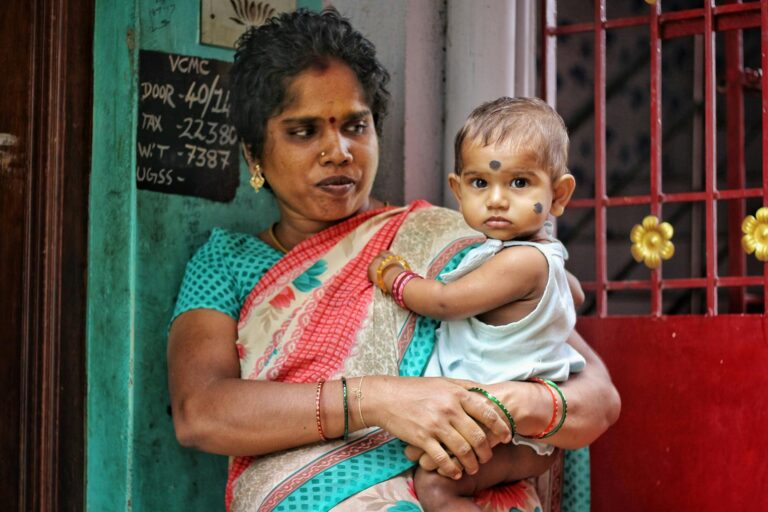
Building Your Village: Community and Support for New Parents
Within the first 3 months postpartum, up to 1 in 4 mothers experience symptoms of postpartum depression, underscoring the critical need for early and consistent support.
What You Need to Know
- WHO recommends exclusive breastfeeding for the first 6 months of life, highlighting the importance of a supportive environment for both mother and baby.
- Research shows that consistent, positive social interactions in the first year of a baby’s life significantly contribute to their cognitive and emotional development.
- The ‘fourth trimester’ refers to the first 3 months after birth, a period of intense adjustment for both parents and baby, requiring significant external support.
- Over 50% of new parents report feeling lonely or isolated in the first year, a feeling that can be mitigated by strong community ties.
- IAP guidelines suggest that babies typically double their birth weight by 4-6 months, a milestone that can be impacted by parental stress and lack of support.
- Adequate sleep for new mothers, ideally 7-8 hours cumulatively, is crucial for recovery and mental well-being, often requiring help from a support network.

The Indian Context: What Research Actually Says
Postpartum confinement (Janani Shishu Suraksha Karyakram or similar regional practices)
Region: Pan-India, with variations across states like North India, Bengal. | Verdict: The rest and nutritional support are beneficial; however, excessive isolation can be detrimental. Modern interpretations encourage limited, safe social interaction.
Provides rest for the mother, promotes bonding, and ensures nutritional support through culturally specific, often warming, foods believed to aid recovery.
Dadi/Nani’s role in childcare and advice
Region: Pan-India. | Verdict: Extremely valuable for practical help and emotional support, though it’s important for new parents to also seek evidence-based information.
Reduces the burden on new parents, provides experienced hands-on help, and offers emotional comfort through familiar routines and support.
Community gatherings for naming ceremonies (Namkaran)
Region: Pan-India. | Verdict: A positive cultural practice that fosters a sense of belonging and shared joy.
Strengthens family and community ties, providing a formal occasion for well-wishers to offer blessings and support to the new family.
Sharing of ghutti/herbal concoctions
Region: Pan-India, particularly North India. | Verdict: When prepared safely and given in very small quantities, it can be part of tradition, but always consult with a healthcare provider or ourlio for evidence-based feeding advice.
Can provide mild digestive benefits for some babies if prepared correctly and in moderation. However, introducing anything other than breast milk/formula before 6 months requires caution.

Common Myths — Busted
Truth: The postpartum period is a significant adjustment. Studies show that even 1 in 5 mothers experience symptoms of postpartum depression, highlighting the need for external support systems, not just self-reliance.
Truth: Fathers also experience significant emotional and psychological changes. Research indicates that around 10% of fathers experience postpartum depression, underscoring the need for support for both parents.
Truth: While not all advice will be evidence-based, many parent groups provide invaluable emotional and practical support. Focusing on groups that emphasize evidence-based practices or provide a safe space for sharing experiences is key.
When to See Your Paediatrician
- Persistent feelings of sadness, hopelessness, or worthlessness lasting more than 2 weeks.
- Thoughts of harming oneself or the baby.
- Inability to care for oneself or the baby, including not eating or sleeping for more than 24 hours.
- Severe anxiety or panic attacks occurring more than once a day.

Parents Also Ask
How to find other new parents in my city?
Look for local parenting groups on social media platforms like Facebook, or check community centres and hospitals for organised meetups. Many apps also connect parents based on location and interests. Aim to connect with at least 2-3 new parents within your first 3 months to build a consistent support network.
What if my family doesn’t understand my needs as a new parent?
Gently and clearly communicate your needs. Explain how specific support (e.g., help with chores for 2 hours daily) makes a difference for your well-being. Referencing official guidelines, like those from IAP, can sometimes help validate your requests. Consistency in your communication is key over the first 6 months.
Is it okay to ask for help even if I feel embarrassed?
Absolutely! Asking for help is a sign of strength, not weakness. The postpartum period is demanding; even experienced parents need support. Studies show that parents who actively seek help report lower stress levels and better mental health outcomes, especially within the first year.
Key Takeaways
- WHO recommends exclusive breastfeeding for the first 6 months of life, highlighting the importance of a supportive environment for both mother and baby.
- Research shows that consistent, positive social interactions in the first year of a baby’s life significantly contribute to their cognitive and emotional development.
- The ‘fourth trimester’ refers to the first 3 months after birth, a period of intense adjustment for both parents and baby, requiring significant external support.
- Over 50% of new parents report feeling lonely or isolated in the first year, a feeling that can be mitigated by strong community ties.
Track your baby’s health milestones on the ourlio app.