Medical Disclaimer: This article is for informational purposes only and should not replace professional medical advice. Always consult your pediatrician for medical concerns regarding your child.
Co-Sleeping Safely — Indian Context
While many Indian families share beds, placing a baby younger than 6 months in an adult bed increases their risk of accidental suffocation by up to 5 times.
What You Need to Know
- The WHO recommends room-sharing for at least the first 6 months, ideally up to a year, but *not* bed-sharing.
- A firm, flat sleep surface is crucial; soft bedding like quilts or pillows can obstruct a baby’s airway.
- Babies under 4 months are at the highest risk for Sudden Infant Death Syndrome (SIDS) and accidental suffocation during sleep.
- The ideal room temperature for a baby’s sleep is between 20-22°C (68-72°F).
- Babies should always be placed on their back to sleep for the first year of life.
- Avoid covering your baby’s head or face with any blankets or bedding.

The Indian Context: What Research Actually Says
Sharing a mattress on the floor
Region: Pan-India, common in joint families | Verdict: Acceptable if the sleep surface is firm, flat, and clear of any loose bedding, pillows, or gaps where the baby could get trapped.
Safer than an adult bed if the mattress is firm and clear of obstructions. Floor sleeping reduces fall risks.
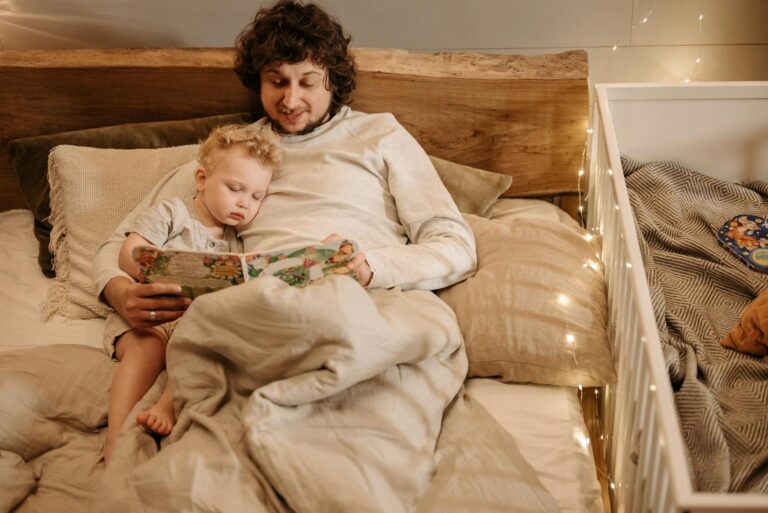
Placing baby between parents in an adult bed
Region: Pan-India, especially in colder regions or smaller homes | Verdict: Not recommended by WHO or IAP due to significant safety risks.
High risk of suffocation, entrapment, or overheating due to adult bedding and body heat.
Baby sleeping in a cradle/jhula next to the parents’ bed
Region: Common across India, especially in North India | Verdict: A good compromise for room-sharing, provided the cradle meets safety standards and is used correctly.
Safe if the cradle is stable, has no drop sides, and is free of soft bedding or toys. Ensures baby has their own firm sleep surface.
Using a mosquito net over the baby’s sleep space
Region: Pan-India, especially in areas with high mosquito prevalence | Verdict: Recommended for insect protection, as long as it doesn’t interfere with airflow or create a suffocation hazard.
Safe and beneficial for protection against insect-borne diseases. Ensure the net is securely tucked in and does not pose a suffocation risk.

Common Myths — Busted
Truth: Overheating is a significant risk factor for SIDS. Adult bedding and body heat can raise a baby’s temperature dangerously, increasing risk.
Truth: Even if the baby is on top, loose blankets or adult bedding can shift and cover their face, obstructing breathing. The safest place is alone on a firm surface.
Truth: While many babies survive bed-sharing, the risk of accidental death is significantly higher. Safety guidelines are based on reducing statistically proven risks, not guaranteeing outcomes.
When to See Your Paediatrician
- Any soft bedding (pillows, quilts, duvets, stuffed toys) in the baby’s sleep area.
- A sleep surface that is not firm and flat (e.g., sofa, armchair, waterbed, adult mattress with significant dips).
- Parents who smoke (even if not in the bedroom), have consumed alcohol or sedatives, or are excessively tired.
- Gaps between the mattress and headboard/wall where a baby could become trapped.
Parents Also Ask
Can I share my bed with my 2-month-old baby in India?
While room-sharing (baby in your room, separate safe crib/bassinet) is recommended for the first 6 months by WHO and IAP, bed-sharing (baby on the adult mattress) is not advised due to risks like suffocation and overheating. The ideal temperature is 20-22°C, and adult bedding can easily make a baby too warm.
Is it safe for my newborn to sleep on a floor mattress with us?
A firm, flat floor mattress can be safer than an adult bed if it’s free from gaps and soft bedding like pillows or quilts. Ensure there’s no risk of entrapment between the mattress and walls, and always place your baby on their back.
How far away should my baby’s crib be if we room-share?
The WHO and IAP recommend the baby’s crib or bassinet be in the parents’ room for at least the first 6 months. Ideally, it should be close enough for easy feeding and comforting, but still provide a separate, safe sleep surface for the baby.
Key Takeaways
- The WHO recommends room-sharing for at least the first 6 months, ideally up to a year, but *not* bed-sharing.
- A firm, flat sleep surface is crucial; soft bedding like quilts or pillows can obstruct a baby’s airway.
- Babies under 4 months are at the highest risk for Sudden Infant Death Syndrome (SIDS) and accidental suffocation during sleep.
- The ideal room temperature for a baby’s sleep is between 20-22°C (68-72°F).
Track your baby’s health milestones on the ourlio app.