Medical Disclaimer: This article is for informational purposes only and should not replace professional medical advice. Always consult your pediatrician for medical concerns regarding your child.
Introducing Water to Babies — When and How
For babies under 6 months, even 30ml of water can displace up to 20% of their daily milk intake, potentially impacting crucial nutrient absorption.
What You Need to Know
- Exclusive breastfeeding or formula feeding is recommended for the first 6 months, providing all the hydration a baby needs.
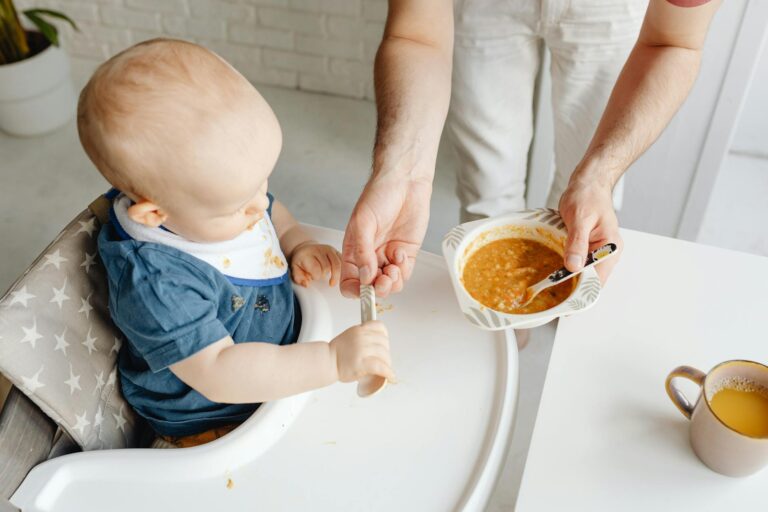
- From 6 months onwards, babies can be offered small sips of plain water (around 1-2 oz or 30-60 ml per day) with meals.
- By 12 months, a baby’s water intake can gradually increase to about 8-16 oz (240-480 ml) per day, alongside their solid food diet.
- During hot weather or illness (like diarrhoea or vomiting), a baby’s fluid needs may increase, but consult a paediatrician before offering more water.
- Water should always be offered plain and at room temperature; avoid sugary drinks or juices before 12 months.
- Dehydration in babies can set in if they have significantly fewer wet diapers (less than 4-6 in 24 hours) than usual.

The Indian Context: What Research Actually Says
Offering water from a copper vessel
Region: Various regions in India | Verdict: Safe in moderation if vessel is clean, but not essential. Plain water is sufficient.
While copper has antimicrobial properties, there’s no robust scientific evidence to support its superiority for baby hydration over plain water in standard vessels. Excessive copper can be toxic.
Giving water with a tulsi leaf
Region: North and Central India | Verdict: Safe as an occasional addition to water, but plain water is the primary need.
Tulsi has some documented medicinal properties, but its effect on water’s hydration value for infants is unproven. Small amounts are generally safe.
Offering water through a dropper or small spoon
Region: Pan-India | Verdict: Excellent, controlled way to introduce water.
Effective method for controlled intake, helping babies adjust to sipping without the risk of choking. Supports learning to drink.
Diluting home-made barley water (Jaun ka pani)
Region: North India | Verdict: Can be offered occasionally after 6 months if prepared without sugar, but plain water is the primary fluid.
Barley water can be a source of some nutrients and electrolytes. However, it should be offered plain and unsweetened, and in moderation, as too much can lead to electrolyte imbalance.

Common Myths — Busted
Truth: Babies under 6 months get all their hydration from breast milk or formula. Giving more than a few sips (max 1-2 oz daily) of water before 6 months can interfere with nutrient absorption and lead to water intoxication.
Truth: WHO recommends avoiding fruit juice for babies under 12 months. Even diluted, juice adds unnecessary sugars which can lead to tooth decay and displace nutrient-rich milk or food. Plain water is best.
Truth: While adequate hydration is key, constipation in babies (especially under 1 year) can have multiple causes. Increasing water intake by 1-2 oz (30-60 ml) per day may help, but persistent constipation requires a paediatrician’s assessment.
When to See Your Paediatrician
- Significantly fewer wet diapers than usual (less than 4-6 in 24 hours for a baby over 1 month).
- Lethargy or extreme sleepiness, unusual irritability, or crying.
- Sunken fontanelle (the soft spot on top of the baby’s head).
- Dry mouth and tongue, or lack of tears when crying.

Parents Also Ask
When can I start giving my baby water in India?
According to IAP guidelines, you can start offering small sips of plain water from around 6 months of age, alongside solid foods. Before 6 months, breast milk or formula provides all the necessary hydration. Offering water too early or in large amounts can reduce the intake of essential nutrients from milk.
How much water should a 7-month-old baby drink daily?
For a 7-month-old eating solids, aim for about 1-2 ounces (30-60 ml) of plain water per day, given with meals. Their primary hydration still comes from milk. Avoid sugary drinks; plain water is best for hydration and preventing tooth decay.
Can I give lukewarm water to my baby?
Yes, lukewarm water is perfectly fine for babies over 6 months. Ensure it’s at a comfortable temperature, not too hot. Offering water at room temperature or slightly lukewarm is generally preferred. Always use plain, clean water.
Key Takeaways
- Exclusive breastfeeding or formula feeding is recommended for the first 6 months, providing all the hydration a baby needs.
- From 6 months onwards, babies can be offered small sips of plain water (around 1-2 oz or 30-60 ml per day) with meals.
- By 12 months, a baby’s water intake can gradually increase to about 8-16 oz (240-480 ml) per day, alongside their solid food diet.
- During hot weather or illness (like diarrhoea or vomiting), a baby’s fluid needs may increase, but consult a paediatrician before offering more water.
Track your baby’s health milestones on the ourlio app.