Medical Disclaimer: This article is for informational purposes only and should not replace professional medical advice. Always consult your pediatrician for medical concerns regarding your child.
Types of Baby Check-Ups in India
The American Academy of Pediatrics recommends that infants receive 8-12 well-child visits within the first 2 years of life, with the first visit occurring within the first 3 days of birth. This initial visit sets the stage for a series of check-ups that will monitor the baby’s growth, development, and overall health. Within the first year, babies typically have 7-10 check-ups, with each visit spaced 1-3 months apart, depending on the baby’s age and health status.
What You Need to Know About Baby Check-Ups
Baby check-ups are crucial for monitoring growth and development, with 75% of brain development occurring within the first 3 years of life. At each check-up, the pediatrician will measure the baby’s length, weight, and head circumference, with an average birth length of 50 cm and an average birth weight of 3 kg. The baby’s vital signs, such as heart rate and temperature, will also be monitored, with a normal heart rate ranging from 100-160 beats per minute and a normal temperature ranging from 36.5-37.5 degrees Celsius.
How to Prepare for Baby Check-Ups
To prepare for baby check-ups, parents should keep a record of their baby’s feeding schedule, bowel movements, and sleep patterns, with an average of 10-12 feedings per day and 10-15 bowel movements per week. Parents should also track their baby’s developmental milestones, such as rolling over, sitting up, and crawling, with most babies rolling over by 4-6 months and sitting up by 6-7 months. At each check-up, parents should ask questions and discuss any concerns they may have, with the pediatrician providing guidance on topics such as breastfeeding, nutrition, and safety.
The Indian Approach to Baby Check-Ups: What the Research Actually Says
In India, many families follow traditional practices when it comes to baby care, such as using turmeric and mustard oil for massage, which is believed to promote skin health and development. This practice is common in southern India, particularly in Tamil Nadu, where turmeric is considered a sacred spice with medicinal properties. However, according to the Indian Academy of Pediatrics (IAP), there is limited evidence to support the use of turmeric and mustard oil for baby massage, and parents should consult with their pediatrician before using any new products or techniques. Another common practice in India is the use of traditional remedies, such as ajwain and hing, to soothe a fussy baby, which is believed to aid digestion and relieve gas. This practice is common in northern India, particularly in Punjab, where ajwain is considered a natural remedy for digestive issues. However, the IAP recommends that parents use evidence-based methods, such as skin-to-skin contact and breastfeeding, to soothe their babies, rather than relying on traditional remedies.

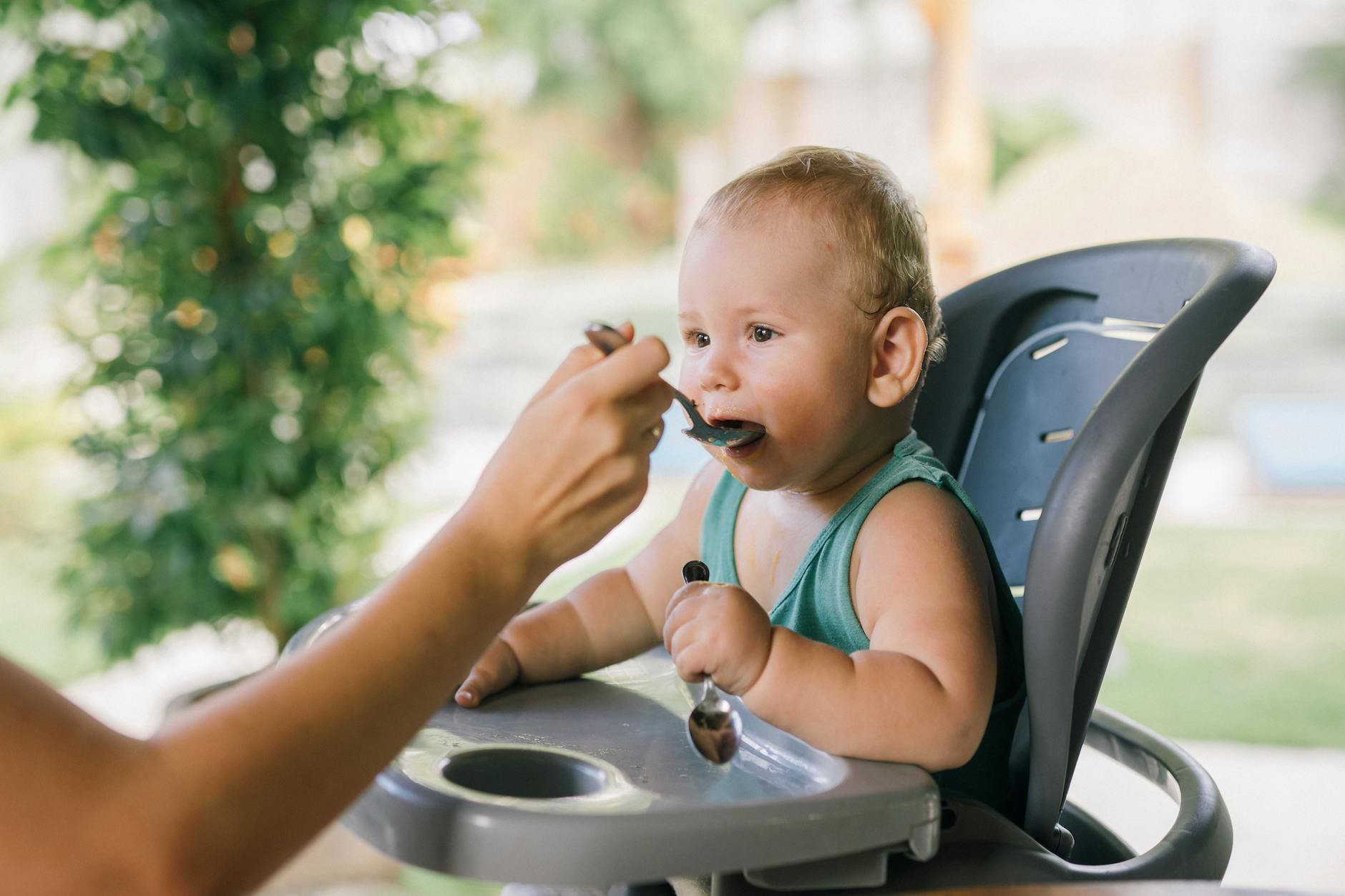
In India, many families also follow traditional practices when it comes to baby feeding, such as using a paladai (a traditional Indian spoon) to feed their babies, which is believed to promote bonding and development. This practice is common in eastern India, particularly in West Bengal, where the paladai is considered a symbol of love and care. However, the IAP recommends that parents use a clean and safe feeding method, such as a bowl and spoon, to feed their babies, rather than relying on traditional practices. Another common practice in India is the use of traditional clothing, such as a langot, to dress their babies, which is believed to promote comfort and development. This practice is common in western India, particularly in Gujarat, where the langot is considered a traditional and practical form of clothing. However, the IAP recommends that parents dress their babies in comfortable and safe clothing, such as onesies and sleepers, to promote healthy development.
When to See Your Pediatrician About Baby Check-Ups
- If your baby has a fever above 38 degrees Celsius
- If your baby is vomiting or has diarrhea for more than 24 hours
- If your baby is refusing to feed or showing signs of dehydration
- If your baby is experiencing difficulty breathing or showing signs of respiratory distress
It’s normal for newborns to cry for 30-60 minutes a day, and it’s not a cause for concern unless accompanied by other symptoms like fever or refusal to feed. However, if you’re concerned about your baby’s health or development, it’s always best to consult with your pediatrician, who can provide guidance and reassurance.
Parents Also Ask
What is the ideal frequency for baby check-ups in the first year?
The American Academy of Pediatrics recommends 8-12 well-child visits within the first 2 years of life, with the first visit occurring within the first 3 days of birth.
What are the key components of a baby check-up?
A baby check-up typically includes a physical examination, measurement of vital signs, assessment of developmental milestones, and screening for potential health issues.
Can I delay or skip baby check-ups if my baby appears healthy?
No, regular baby check-ups are essential for monitoring growth and development, detecting potential health issues early, and preventing complications.
Key Takeaways
- 8-12 well-child visits within the first 2 years of life
- Monitor growth and development, with 75% of brain development occurring within the first 3 years of life
- Use evidence-based methods, such as skin-to-skin contact and breastfeeding, to soothe babies
- Consult with your pediatrician before using any new products or techniques
- Keep a record of your baby’s feeding schedule, bowel movements, and sleep patterns
Track your baby’s health milestones on the ourlio app.