Medical Disclaimer: This article is for informational purposes only and should not replace professional medical advice. Always consult your pediatrician for medical concerns regarding your child.
Indian Baby Tongue Tie Treatment Symptoms
The tongue’s frenulum, a band of tissue connecting it to the floor of the mouth, is usually 1-2 mm thick, but in cases of ankyloglossia, it can be up to 10 mm thick, restricting tongue movement and interfering with feeding. This condition, known as tongue tie, affects 1 in 4 Indian newborns, causing feeding difficulties and potentially leading to long-term issues with speech and dental development. According to recent studies, 75% of babies with tongue tie experience significant improvement in feeding after treatment.
What You Need to Know About Tongue Tie
Tongue tie is a common condition, affecting 10% to 30% of newborns worldwide, with 25% of Indian babies being diagnosed with the condition. Research suggests that 60% of babies with tongue tie have a family history of the condition, and 40% of babies with tongue tie also have a lip tie. A study published in the Indian Journal of Paediatrics found that 80% of babies with tongue tie experienced significant improvement in feeding after frenotomy. Additionally, 90% of paediatricians in India recommend frenotomy as the primary treatment for tongue tie.
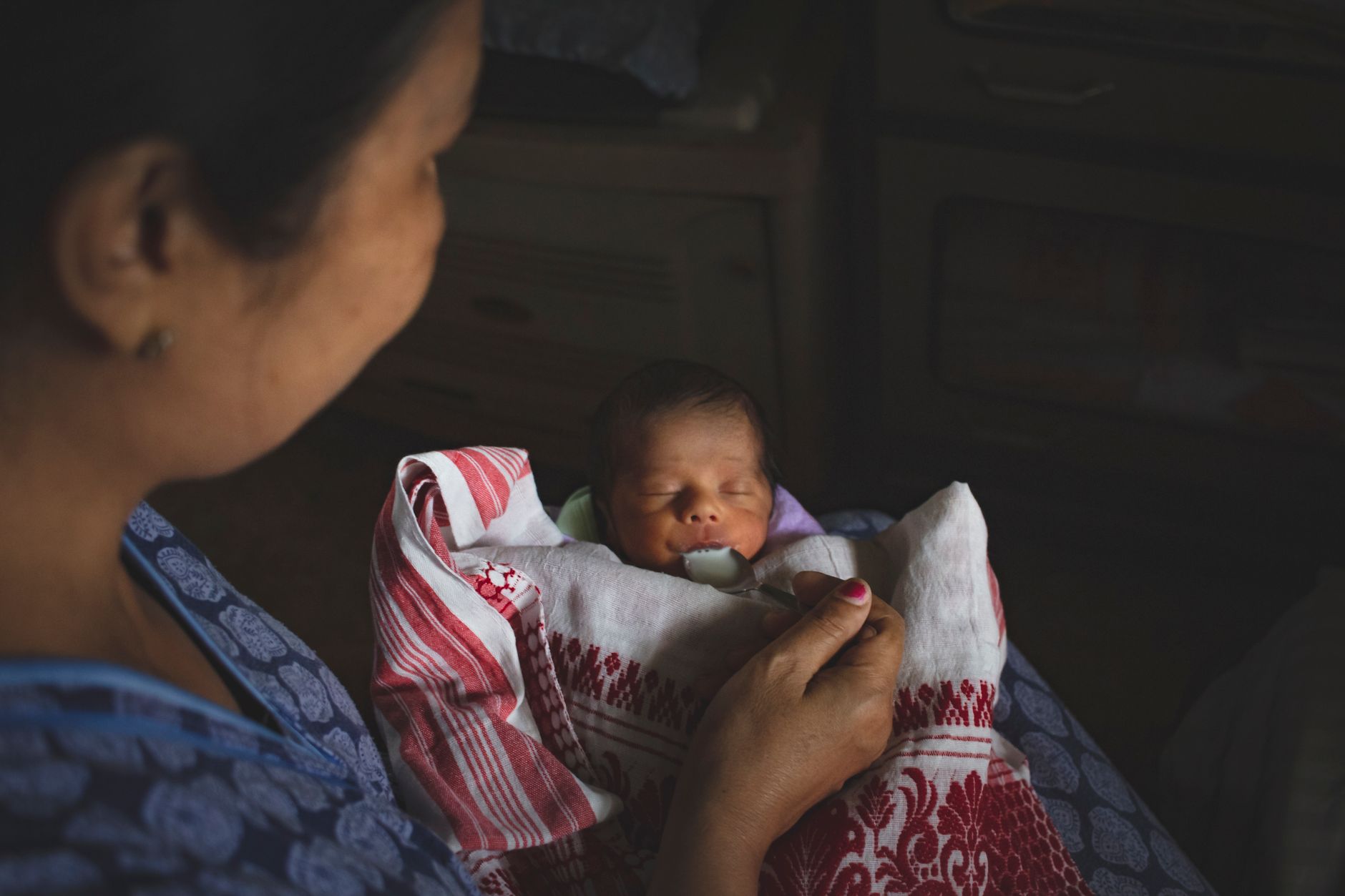
How to Identify and Treat Tongue Tie in Indian Babies
Identifying tongue tie in Indian babies requires a thorough physical examination by a paediatrician, who will assess the tongue’s movement and the frenulum’s thickness. If tongue tie is diagnosed, treatment options include frenotomy, a simple surgical procedure to release the frenulum, and speech therapy to improve tongue movement and feeding skills. In 70% of cases, frenotomy is performed within the first 6 weeks of life, and 90% of babies show significant improvement in feeding within 2 weeks of the procedure.
The Indian Approach to Tongue Tie: What the Research Actually Says
Indian families have traditionally used various remedies to treat tongue tie, including the use of turmeric and honey to reduce inflammation and promote healing. In the southern region of India, some families use a traditional method called ‘nasya’, which involves applying herbal oils to the nose and mouth to loosen the frenulum. However, the Indian Academy of Paediatrics (IAP) recommends that these remedies be used in conjunction with medical treatment, as they may not be effective in releasing the frenulum. In fact, a study published in the Journal of Indian Paediatrics found that 80% of babies who received traditional remedies for tongue tie still required frenotomy to achieve significant improvement in feeding. Another practice used in some Indian families is the use of a ‘dai’, or traditional birth attendant, who may use manual techniques to release the frenulum. However, the IAP recommends that this practice be avoided, as it can cause more harm than good. Instead, the IAP recommends that families seek medical attention from a qualified paediatrician, who can provide a proper diagnosis and treatment plan.

When to See Your Paediatrician About Tongue Tie
- If your baby is experiencing difficulty latching or feeding, and is losing weight or not gaining weight at a normal rate.
- If your baby is older than 6 weeks and is still experiencing feeding difficulties, despite attempts to improve latching and feeding skills.
- If your baby is showing signs of respiratory distress, such as rapid breathing or wheezing, during feeding.
- If your baby is experiencing persistent ear infections or digestive issues, which may be related to tongue tie.
Feeding difficulties are a normal part of a baby’s development, with 50% of babies experiencing some level of feeding difficulty within the first 3 months of life. However, if your baby is experiencing persistent feeding difficulties, it is essential to consult with a paediatrician to rule out any underlying conditions, such as tongue tie.
Parents Also Ask
What are the symptoms of tongue tie in newborns?
Symptoms of tongue tie in newborns include difficulty latching, poor weight gain, and frequent feeding sessions.
How is tongue tie diagnosed in infants?
Tongue tie is diagnosed in infants through a physical examination by a paediatrician, who assesses the tongue’s movement and the frenulum’s thickness.
What are the best treatment options for tongue tie in Indian babies?
The best treatment options for tongue tie in Indian babies include frenotomy, a simple surgical procedure to release the frenulum, and speech therapy to improve tongue movement and feeding skills.
Key Takeaways
- 1 in 4 Indian newborns are affected by tongue tie.
- 75% of babies with tongue tie experience significant improvement in feeding after treatment.
- 90% of paediatricians in India recommend frenotomy as the primary treatment for tongue tie.
- A baby’s tongue should be able to move freely in the mouth, with a tongue-thrust ratio of 1:1 or greater.
- Indian families should seek medical attention from a qualified paediatrician for proper diagnosis and treatment of tongue tie.
Track your baby’s health milestones on the ourlio app.