Medical Disclaimer: This article is for informational purposes only and should not replace professional medical advice. Always consult your pediatrician for medical concerns regarding your child.
=
A newborn’s first week is marked by a remarkable 50% increase in birth weight due to water retention, which peaks around 4-5 days post-birth. This increase is a normal physiological response to the transition to extrauterine life. During this period, newborns typically lose 5-10% of their birth weight, but this is a normal response to the transition. By the end of the first week, newborns typically gain 10-20 grams per day, reaching an average weight of 2.5-3 kg.
What You Need to Know About Newborn First Week Expectations
Newborns typically pass 3-5 meconium stools in the first 24 hours, followed by 1-4 yellow stools per day during the first week. The average newborn’s temperature ranges from 36.5°C to 37.5°C during the first week, with a slight drop in temperature around 24-48 hours post-birth. Newborns’ heart rates range from 100-160 beats per minute during the first week, with an expected drop to 80-120 beats per minute around 1-2 weeks post-birth. Newborns typically sleep for 16-20 hours per day during the first week, with 4-6 hour stretches of sleep at night.

How to Care for Your Newborn in the First Week
To care for your newborn in the first week, it’s essential to follow a few simple steps. First, ensure that your baby is fed every 2-3 hours, with 8-12 feedings per day. Second, change your baby’s diaper every 2-3 hours, or as needed. Third, bathe your baby 2-3 times per week, using warm water and gentle soap. Fourth, ensure that your baby is sleeping safely, with a firm mattress and tight-fitting sheets. Finally, schedule regular health checks with your paediatrician to monitor your baby’s growth and development.
The Indian Approach to Newborn Care: What the Research Actually Says
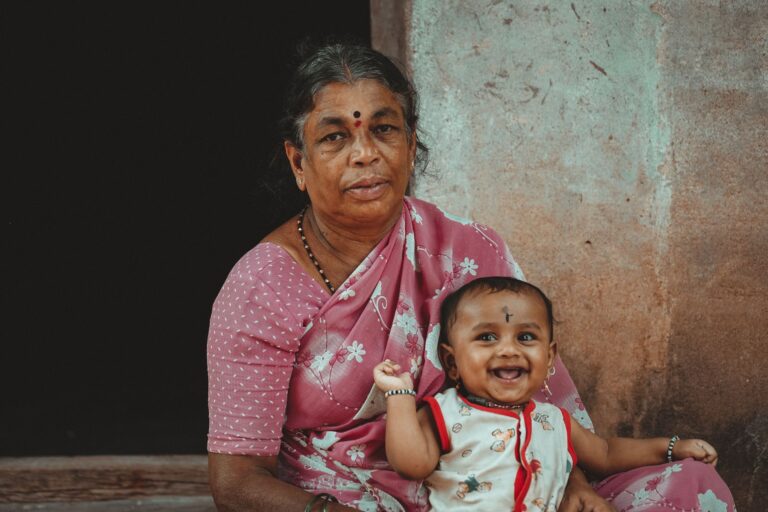
In India, many families follow traditional practices when it comes to newborn care. For example, in some regions, families use a specific type of oil to massage their newborn babies, which is believed to promote healthy skin and development. However, the evidence suggests that this practice may not be entirely beneficial, and in some cases, may even cause skin irritation. On the other hand, some Indian families use a specific type of cloth to wrap their newborn babies, which is believed to promote healthy sleep and development. The Indian Academy of Paediatrics (IAP) recommends that parents use a firm mattress and tight-fitting sheets to promote safe sleep practices. Another common practice in India is the use of specific herbs and spices to promote healthy digestion and development in newborn babies. However, the evidence suggests that these practices may not be entirely beneficial, and in some cases, may even cause allergic reactions. Finally, some Indian families use a specific type of music to soothe their newborn babies, which is believed to promote healthy development and bonding. The IAP recommends that parents use skin-to-skin contact, breastfeeding for comfort, gentle rocking, talking softly, and addressing the cause to soothe their newborn babies.
When to See Your Paediatrician About Newborn Care
- If your baby’s temperature exceeds 38°C
- If your baby’s heart rate exceeds 160 beats per minute
- If your baby is not passing stools or urine
- If your baby is not gaining weight
It’s normal for newborns to cry for 1-2 hours a day in the first week, with peaks around 6-8 am and 6-8 pm. However, if your baby is crying excessively, it’s essential to consult with your paediatrician to rule out any underlying health issues.
Parents Also Ask
What is the normal temperature range for a newborn baby?
The average newborn’s temperature ranges from 36.5°C to 37.5°C during the first week, with a slight drop in temperature around 24-48 hours post-birth.
How many hours does a newborn baby sleep in a day?
The average newborn sleeps for 16-20 hours per day during the first week, with 4-6 hour stretches of sleep at night.
What is the normal heart rate range for a newborn baby?
Newborns’ heart rates range from 100-160 beats per minute during the first week, with an expected drop to 80-120 beats per minute around 1-2 weeks post-birth.
Key Takeaways
- Newborns gain 10-20 grams per day in the first week
- Indian families use traditional practices like massage and music to soothe their newborn babies
- Newborns sleep for 16-20 hours per day in the first week
- Paediatricians recommend skin-to-skin contact and breastfeeding for comfort
- Newborns’ stomachs are about the size of a small egg
Track your baby’s health milestones on the ourlio app.